Sustainable Design Trends in Real Estate

smarty
- December 15, 2025
- 3 Min Read
Key Sustainable Design Trends in Real Estate
1- Zero Carbon Buildings
- Definition: Zero carbon buildings aim to eliminate carbon emissions by using energy-efficient designs, renewable energy sources, and sustainable materials. These structures are designed to balance the energy used with the energy produced, leading to net-zero carbon output.
- Benefits: Reduced carbon footprint, lower utility bills, and compliance with upcoming green building regulations.
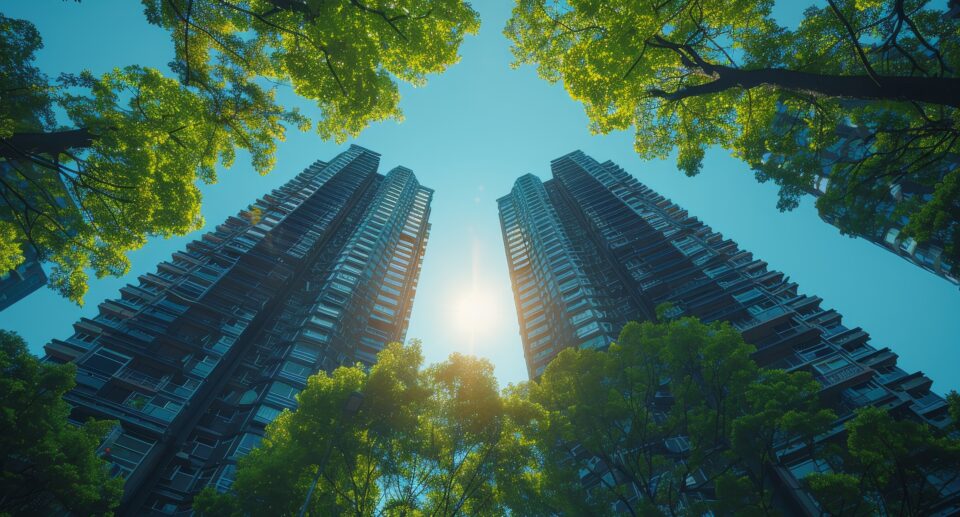
- Example: Several high-rise residential projects in India are incorporating solar panels, energy-efficient HVAC systems, and sustainable building materials to reduce their carbon output.
2- Energy-Efficient Systems
- High-Efficiency HVAC Systems: Installing energy-efficient heating, ventilation, and air conditioning (HVAC) systems reduces energy consumption and operating costs.
- Smart Building Technologies: Integrating smart systems like automated lighting, climate control, and energy monitoring systems can drastically reduce power consumption.
- Example: Developers are increasingly integrating smart technologies into residential and commercial projects, where occupants can control lighting and temperature remotely, leading to significant energy savings.
3- Water Conservation Technologies
- Rainwater Harvesting: Collecting rainwater and reusing it for non-potable purposes, such as irrigation and flushing toilets, helps reduce water consumption.
- Low-Flow Fixtures: Installing water-efficient fixtures such as low-flow faucets and toilets minimizes water waste.
- Example: Many Indian developers are incorporating water-efficient designs, including rainwater harvesting systems, into both residential and commercial buildings to ensure sustainability.
4- Green Spaces and Vertical Gardens
- Green Rooftops and Vertical Gardens: Incorporating green spaces into building designs, such as rooftop gardens and vertical greenery, adds aesthetic value while improving air quality and reducing heat island effects.
- Health and Well-being: Studies show that green spaces contribute to better mental health and physical well-being, making such buildings more appealing to end-users.
- Example: Urban residential projects are now featuring vertical gardens and landscaped rooftops, offering residents an escape to nature while contributing to environmental sustainability.
5- Sustainable Building Materials
- Use of Recycled Materials: Incorporating recycled and locally sourced materials in construction minimizes waste and reduces the environmental impact.
- Example: Projects using recycled wood, bamboo, and low-VOC (volatile organic compound) paints are becoming more common in sustainable developments
Why Sustainable Design Matters for Real Estate Developers
- Market Demand: Homebuyers and tenants are increasingly seeking eco-friendly properties that promote a sustainable lifestyle. Developers that adopt these trends can tap into a growing market segment.
- Long-Term Savings: Sustainable buildings often result in lower operating costs, including reduced energy and water bills. These savings can be passed on to buyers or tenants, making the property more attractive.
- Compliance with Regulations: Green building certifications and regulations are becoming more stringent. Developers who prioritize sustainability can stay ahead of legal requirements and earn certifications such as LEED (Leadership in Energy and Environmental Design), enhancing their brand reputation.
Embracing sustainable design is no longer just an option for real estate developers—it’s a necessity. As consumer demand for eco-friendly living grows, developers who adopt these trends will position themselves as leaders in the industry, creating projects that not only meet today’s needs but are built for the future. From zero-carbon buildings to energy-efficient systems, these innovations allow developers to stand out while contributing positively to the environment.